The Intelligence of the Hand, According to EDELTAMP
The plastics industry faces significant challenges: ensuring consistent quality, minimizing defects, and maximizing machine performance. With complex processes and just-in-time production, manufacturers must rely on advanced technologies to improve their competitiveness, but behind every successful injection-molded part lies a skilled touch.

A skill that is learned, refined, and passed on...
This expertise, which theEDELTAMP teams cultivate at every stage of the process, combined with digital tools, transforms data into decisions and intuition into precision.
Mold Design: Handwork Before Machining
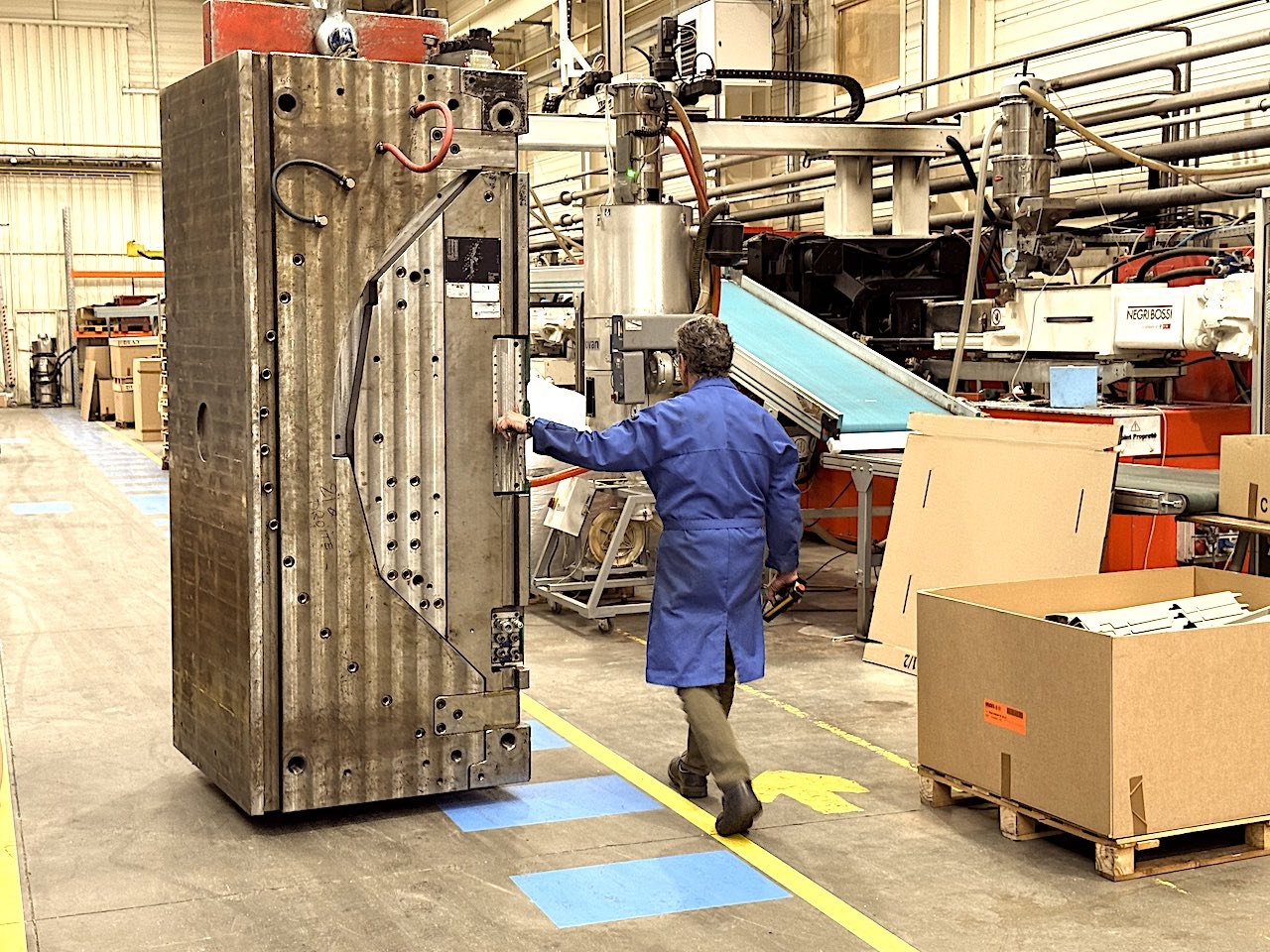
It all begins long before the first injection. On reference parts—whether examining machined surfaces, the flatness of mating surfaces, or the smooth movement of moving parts—the teams atEDELTAMP conduct a meticulous manual inspection of the mold. This expert touch detects irregularities that no sensor can yet anticipate at this stage. It is this initial vigilance that lays the groundwork; later, monitoring and dimensional control technologies will consolidate, track, and ensure the long-term reliability of what the human hand has validated upstream.
Mold testing: The process is validated through hands-on testing
Before each preliminary round, the project management team for theEDELTAMP conduct tactile inspections to verify the cleanliness of the molds, the uniformity of cooling, and that all components are properly tightened. Then, part by part, each ejection is analyzed by hand for sink marks, flash, filling defects, shrinkage, and weld lines. This is where thoughtful craftsmanship truly comes into play: the hand puts thought into action, analyzing the material, sensing defects, and adjusting pressure or the cut in real time.
This phase perfectly illustrates the key issue raised by the challenges facing the thermoplastics industry: the rapid identification of defects and their causes. While human inspection alone may lack responsiveness, it remains irreplaceable when it comes to interpreting the context; intelligent tools then step in to support it, accelerating the diagnosis and ensuring sound decision-making.
Process Control: When Human Action Interacts with Data
Process tuning is undoubtedly the stage where the thoughtful actions of the teams atEDELTAMP is expressed with the greatest finesse. Our technicians maintain a constant correlation between the tactile feel of the produced parts and the machine parameters—temperature, pressure, and time—adjusting their techniques in real time based on what the material reveals to them.
This expertise directly addresses one of the industry's major challenges: adjustments based on intuition, which are often limited when dealing with interdependent parameters.
Human experience remains the essential starting point, but it becomes more powerful when combined with tools capable of simultaneously analyzing all interactions between variables—whereas the eye and hand, on their own, can adjust only one factor at a time.
Quality Validation: Leveraging Experience to Ensure Compliance
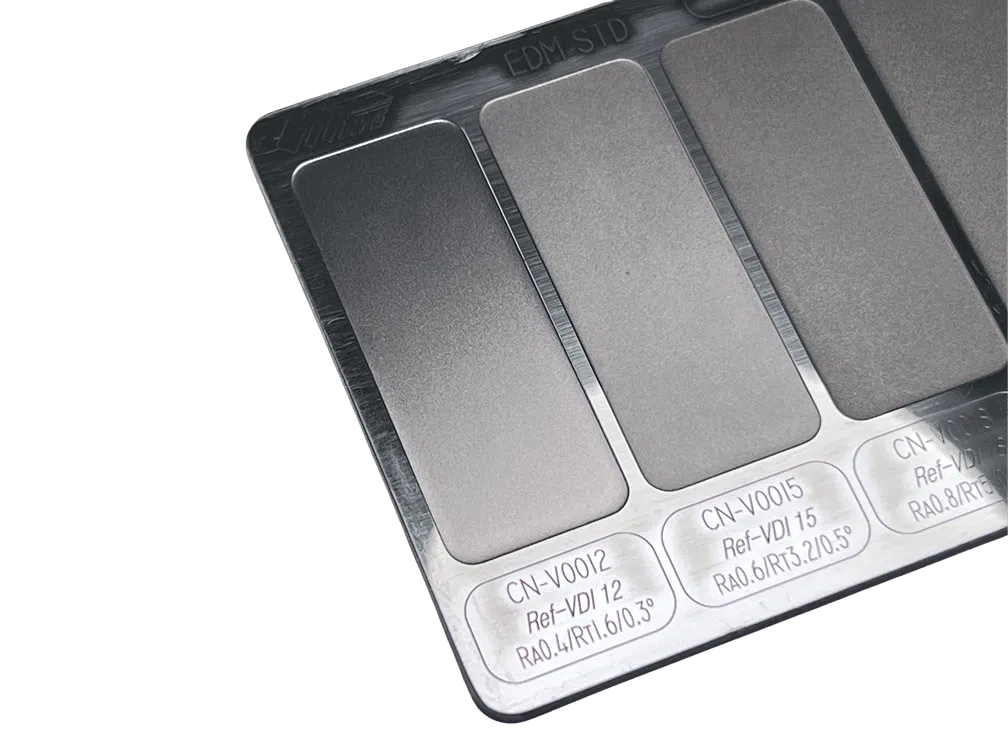
Dimensional inspection, assembly tests, mechanical strength tests—each part is also compared, by touch, to reference parts validated by the teams atEDELTAMP. This quality control step relies on passed-down experience; human memory retains a history of errors, the intuition needed for troubleshooting, and the subtleties of workarounds that cannot yet be formalized in a manual.
This living body of knowledge, built up over the years and shared among teams, serves as a benchmark that measurement and traceability technologies help to objectively assess and document, ensuring long-term compliance for clients.
Mass Production: Constant Vigilance
In production, monitoring never truly stops. It continuously monitors temperature, surface condition, and even the slightest variation in the parts as they pass by. This real-time tactile monitoring addresses another well-identified challenge: quality fluctuations related to raw materials, machine parameters, or the production environment.
When a human operator detects a deviation, they sound the alarm before the problem spreads—a sentinel role that automated monitoring systems now extend, ensuring that we never lose track of an emerging deviation.
Abnormalities Detected by the Hand: An Invisible Form of Knowledge
Thermal degradation, surface haze—some defects aren’t always visible; you can feel them. This sensory expertise, which the teams atEDELTAMP have refined over the course of each production run, is invaluable for anticipating nonconformities that would be missed by a simple visual inspection.
This is precisely the challenge posed by the inability to anticipate deviations in the process: the system detects the weak signal before it becomes a measurable deviation—a head start that continuous analytics tools now make it possible to capitalize on and share with all teams.
Quality Control: The Precision of Repetitive Actions
According to the quality monitoring plan, the teams atEDELTAMP take regular samples, which undergo dimensional, tactile, and functional inspections. This rigorous process, repeated batch after batch, is what enables us to maintain a consistent level of quality, even when small and medium-sized production runs require readjustments at the start of each production run.
Mold Maintenance: Leveraging Experience to Serve the Tooling Industry
Cleaning and visual inspection of the molds help detect wear, corrosion, or buildup before they affect the quality of the parts.
It is a subtle yet essential step, rooted in the experience passed down from one generation of technicians to the next, that extends the service life of tooling and ensures the performance of large-scale continuous production runs.
Assembly: The Final Steps
Before assembly, if necessary, each part is sorted and inspected by hand by the staff atEDELTAMPto check for burrs and the orientation of the inserts. This is the final check before the final assembly, ensuring that no detail has been left to chance.
The Man at the Heart of Industrial Intelligence
The industry of the future combines manual dexterity, intuitive know-how, and adaptability to real-world conditions; human memory, experience, and the passing down of knowledge; and the repeatability of machines, precision, and consistency in execution.
These aspects are not in conflict with one another but complement each other to ensure quality and performance.
From mold design to final assembly, the teams atEDELTAMP , under the supervision of Operations Director Franck Baumann, embody this partnership.
They are not at odds with advanced technologies or artificial intelligence; rather, they are a natural complement to them. While digital tools provide consistency, traceability, and the ability to analyze complex interactions between variables, the thoughtful approach and hard-won experience of the teams atEDELTAMP provide context, expert intuition, and the ability to adapt immediately.
It is this partnership that enables EDELTAMP to tackle high-performance challenges in the production of thermoplastic injection-molded parts alongside its customers, ensure consistent quality, reduce defects, and make every injection-molded part a testament to its outstanding expertise.
Other articles in this category
Keep up to date with EDELTAMP and how we're shaping the future of the plastics industry .